Why Choose an AC Voltage Stabilizer for Global Sourcing?

Time:2026-10-16 Author:Sophia
0%

Global sourcing often exposes equipment to unstable electrical conditions. A factory may receive 230 volts in the morning, then experience sharp dips when heavy machinery starts. These changes can damage control boards, interrupt production, and create inconsistent testing results. An AC Voltage Stabilizer helps maintain a controlled output, even when the incoming supply fluctuates.

Alexander Kusko, a recognized power-quality engineer and author, wrote, “Power quality is a customer-driven issue.” That observation matters for international purchasing. Buyers should not select a stabilizer from voltage range alone. They must examine load type, starting current, frequency, phase configuration, response time, thermal performance, and bypass protection. A printing line, medical device, and CNC machine may require very different solutions. Small details matter.

A reliable sourcing process also includes factory inspection, load testing, and clear technical documentation. Ask for efficiency data, correction speed, protection functions, and test conditions. Check whether the supplier can support installation and spare parts in the destination market. Certification requirements may differ between countries, so verification remains essential. Do not trust impressive specifications without evidence.

There is no perfect stabilizer.

The overlooked risk is often sizing. A unit selected only for normal running power may fail during motor startup. I have seen purchasing teams focus on price, then discover that unstable voltage costs more through rejected products and downtime. A carefully specified AC Voltage Stabilizer is not merely an electrical accessory. It is a practical safeguard for equipment reliability, production continuity, and responsible global sourcing.
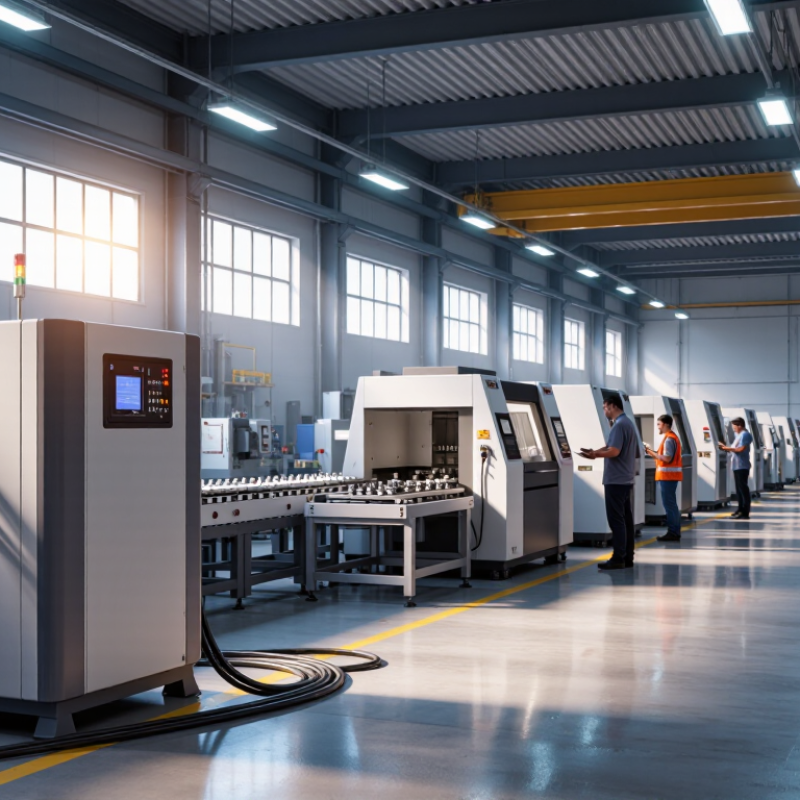
Why Choose an AC Voltage Stabilizer for Global Sourcing?

What Is an AC Voltage Stabilizer?

An AC voltage stabilizer is an electrical device that keeps alternating current voltage within a controlled range. It detects changes in incoming power and corrects them before electricity reaches connected equipment. Depending on its design, it may use relays, a servo motor, or electronic switching circuits. The goal is simple: provide steadier voltage during low supply, overvoltage, or brief fluctuations.

In practical sourcing checks, the stabilizer must match the equipment’s rated voltage, frequency, phase, and total load. A machine drawing 8 kVA should not receive an undersized unit. Allowance for starting current matters too, especially with motors, compressors, and pumps. A technician should also inspect heat dissipation, terminal quality, bypass functions, and response time. Small details often decide reliability.

Global sourcing makes this evaluation less predictable. Power conditions differ between factories, warehouses, and installation sites, even within one country. Requesting test records, wiring diagrams, and applicable safety certifications can reduce avoidable mistakes. However, a stabilizer is not a complete power-protection system. It may not stop lightning surges, harmonic distortion, or long outages. That limitation is easy to overlook. A careful buyer should compare measured site voltage with the supplier’s specifications, rather than trusting a broad “automatic regulation” claim.

How Does an AC Voltage Stabilizer Maintain Stable Power?

Why Choose an AC Voltage Stabilizer for Global Sourcing?

An AC voltage stabilizer keeps equipment supplied with a controlled voltage, even when utility power fluctuates. Its sensing circuit measures the incoming RMS voltage continuously. A servo motor or electronic switching stage then adjusts a transformer ratio. It corrects low voltage through boosting and high voltage through bucking.

The result is steadier power at the load. More importantly, the correction happens before sensitive controls, motors, and test instruments receive harmful variations. IEC 61000-4-30 defines reliable methods for measuring voltage quality. Use those methods when checking stabilizer performance, not only the front-panel display. Response time, accuracy, overload capacity, bypass design, and grounding deserve equal attention. Small details matter.

The International Energy Agency’s Electricity 2024 report expects global electricity demand to grow by about 4% in 2024. Growing demand can increase stress on local distribution networks. The Uptime Institute’s 2023 Annual Outage Analysis found that 54% of reported outages cost more than 100,000 dollars. A stabilizer cannot repair a damaged cable or replace backup power. That limitation matters. For global sourcing, verify the local input range, frequency, phase system, and certification requirements before purchase. A practical test should record voltage at startup, during motor loading, and under night-time conditions. Real measurements often reveal weaknesses that specifications hide.

Why Is Voltage Stability Important in Global Sourcing?

Why Choose an AC Voltage Stabilizer for Global Sourcing?

Voltage stability matters when products cross borders and operate in unfamiliar electrical environments. Grid conditions can vary between factories, warehouses, ports, and customer sites. Long cables, overloaded transformers, and backup generators may cause voltage drops or sudden rises. These changes can damage control boards, shorten motor life, and interrupt testing.

An AC voltage stabilizer helps maintain a more consistent output for sensitive equipment. In a sourcing facility, this may protect inspection cameras, programmable controllers, sealing machines, and laboratory instruments. Stable voltage also supports repeatable test results. Small fluctuations can create large quality differences.

The details matter. Buyers should check rated capacity, phase type, frequency, response time, overload protection, and starting current. A compressor may draw much more power during startup. An undersized stabilizer can overheat or trip unexpectedly. It is not a cure-all. It cannot repair poor wiring or replace proper grounding. This point is easy to overlook. Field inspections should measure incoming voltage at different times, not just during one quiet afternoon. Local electrical requirements also need review by a qualified technician. In some facilities, a bypass function is useful during maintenance, but careless switching can expose equipment to unstable supply. Reliable sourcing decisions come from measured conditions, clear specifications, and honest attention to what the stabilizer cannot do.

Why Choose an AC Voltage Stabilizer for Global Sourcing? - Why Is Voltage Stability Important in Global Sourcing?

Sourcing Dimension Verified Fact or Typical Range Why It Matters in Global Sourcing Recommended Evaluation Point
Input Voltage Compatibility Common single-phase nominal systems include approximately 100–127 V and 220–240 V. Different countries and regions use different nominal voltages, so a stabilizer must match the destination electrical system. Confirm rated input range, allowable fluctuation range, and destination-country requirements before ordering.
Frequency Compatibility Public AC supplies commonly operate at 50 Hz or 60 Hz, depending on the region. Frequency mismatch can affect motors, transformers, timing circuits, and other frequency-sensitive loads. Check whether the equipment supports 50 Hz, 60 Hz, or both; a voltage stabilizer does not automatically convert frequency.
Output Voltage Accuracy Commercial stabilizers may specify output regulation accuracy such as ±1%, ±2%, or ±3%, depending on design and load conditions. Stable output helps reduce malfunction, overheating, nuisance shutdowns, and inconsistent performance caused by supply variation. Request test conditions showing accuracy across the stated input range and load range.
Regulation Response Time Response time is product-dependent and is often specified in milliseconds or as a correction rate such as volts per second. Faster correction can limit the duration of abnormal voltage exposure, especially for sensitive electronic or control equipment. Compare response specifications using the same test method; do not compare different units solely by marketing terminology.
Capacity and Load Type Capacity is commonly stated in VA or kVA. Motors and compressors can draw significantly higher current during startup. Undersizing may cause overheating, output drop, protective trips, or reduced service life. Size the unit using continuous load, power factor, inrush current, duty cycle, and future expansion requirements.
Phase Configuration Single-phase and three-phase systems serve different installation and equipment requirements. Selecting the wrong phase configuration can make installation impossible or create unsafe operating conditions. Match the stabilizer to the source supply and the equipment nameplate, including line-to-line and line-to-neutral voltage where applicable.
Protection Functions Common functions include overvoltage, undervoltage, overload, short-circuit, over-temperature, and time-delay protection. Protection features can reduce equipment damage during abnormal supply conditions and help support safer operation. Verify protection thresholds, reset behavior, alarm indicators, and whether protection is independently tested.
Surge and Transient Handling Voltage regulation and surge protection are different functions; a stabilizer may require separate surge protective equipment. Global supply networks can experience switching events, lightning-related surges, and transient disturbances. Check the specified surge protection capability and coordinate it with upstream grounding and surge protection devices.
Efficiency and Heat Output Efficiency varies by stabilizer technology, capacity, input condition, and load level. Higher losses increase operating cost and may require additional ventilation in warehouses, factories, or technical rooms. Request efficiency data at typical operating loads, not only at the rated maximum load.
Environmental Conditions Operating limits commonly include temperature, humidity, altitude, dust level, and ventilation requirements. Transported equipment may be installed in climates or facilities very different from the sourcing location. Compare rated operating temperature, humidity limits, enclosure rating, altitude derating, and cooling method.
Compliance and Documentation Electrical safety and EMC requirements vary by market and installation category. Complete technical documentation helps reduce customs delays, installation errors, and compliance risks. Request datasheets, wiring diagrams, test reports, user manuals, conformity documents, and local installation requirements.
Maintenance and Spare Parts Maintenance needs depend on technology and may include inspections, cooling-system cleaning, terminal checks, or component replacement. A stable supply of replacement parts reduces downtime when equipment is deployed far from the original procurement source. Evaluate service intervals, spare-part availability, repair procedures, warranty terms, and technical support coverage.
Total Cost of Ownership Purchase price is only one cost; energy losses, installation, maintenance, downtime, and replacement parts also affect lifecycle cost. A properly specified stabilizer can help protect production continuity and reduce avoidable equipment-related losses. Compare five-year or ten-year ownership cost using expected load, operating hours, energy price, maintenance, and downtime assumptions.

Note: Voltage, frequency, performance, and compliance requirements vary by country, installation, and equipment type. Final selection should be confirmed against the local electrical system, equipment nameplate, and applicable regulations.

Which Features Matter When Selecting a Stabilizer?

When sourcing an AC voltage stabilizer, start with the electrical conditions at the installation site. Measure voltage during morning, peak production, and evening loads. A nameplate reading alone can mislead. I have seen a workshop show 230 volts at noon, then fall below 190 volts when compressors started.

Input range matters. Choose a unit that covers the lowest and highest measured values, with reasonable headroom. A narrow range may fail when demand changes.

Output regulation is equally important. Check the stated accuracy, response time, and load conditions behind those figures. A fast response helps sensitive controllers, but speed means little if the output waveform becomes distorted.

Prefer true RMS monitoring, clear digital metering, and alarms for abnormal voltage. Capacity should match the real load, not only the sum of motor labels. Motors need starting current.

Leave spare capacity. It costs more. Look for overload, short-circuit, over-temperature, surge, and phase-loss protection where applicable. A bypass function can keep essential equipment running during maintenance, but it must include safe switching and clear status indicators.

Confirm cooling requirements, noise levels, enclosure rating, and access for servicing. Independent test reports and applicable electrical certifications strengthen supplier credibility.

Ask for wiring diagrams, calibration records, spare-part availability, and response times.

I once treated service support as a minor detail. That was a mistake. Installation quality still matters, because even an accurate stabilizer cannot correct undersized cables or poor grounding.

How Can Buyers Evaluate Suppliers and Total Costs?

Choosing an AC voltage stabilizer is less about the lowest quotation and more about controllable risk. The U.S. Department of Energy and EPRI estimated that power disturbances cost U.S. businesses $119–188 billion annually in a 2003 industry assessment. That figure is old, but the exposure remains practical: a flickering production line can waste materials, labor, and delivery time.

For global sourcing, buyers should request input ranges, output accuracy, response time, overload behavior, thermal limits, and noise data. Ask for third-party test reports against applicable IEC requirements, calibration records, and serial-number traceability. A polished certificate is not enough. Witness testing matters.

Supplier comparison should use total cost of ownership, not unit price. Calculate equipment, freight, duties, installation, commissioning, energy losses, planned maintenance, spare modules, downtime exposure, and disposal. Compare efficiency at the actual load, not only the headline rating.

The Uptime Institute’s 2024 Annual Outage Analysis reported that 54% of respondents experienced an outage costing more than $100,000. This is not a universal factory benchmark, but it shows why reliability deserves a financial value.

Request five-year failure data from comparable installations, warranty exclusions, service response times, and local technician coverage. Audit the factory’s burn-in process and inspect one finished unit.

I would also test voltage recovery with a portable power-quality analyzer before approving volume orders. This step is often skipped. The spreadsheet may still be wrong.

Recheck assumptions after seasonal voltage measurements, because a supplier’s “typical” performance may not match the buyer’s site.

FAQS

What does an AC voltage stabilizer do?

It keeps alternating current voltage within a controlled range. It detects voltage changes and corrects them before equipment receives power. The design may use relays, a servo motor, or electronic switching circuits. Its purpose is simple. It supports steadier operation during low voltage, overvoltage, and brief fluctuations.

How should I match a stabilizer to my equipment?

Match the stabilizer with rated voltage, frequency, phase, and total load. A machine drawing 8 kVA should not use an undersized unit. Motors, compressors, and pumps often need extra starting current. Leave spare capacity. Check the equipment’s starting behavior, not only its nameplate rating.

Why should voltage be measured at different times?

Site voltage can change between morning, production peaks, and evening loads. A workshop may show 230 volts at noon, then fall below 190 volts during compressor startup. Measure real conditions with suitable equipment. Nameplates can mislead. Choose an input range covering the lowest and highest readings.

Which performance specifications deserve close attention?

Review output accuracy, response time, load conditions, and waveform quality. Fast response can help sensitive controllers. However, speed matters less if the output waveform becomes distorted. True RMS monitoring, digital meters, and abnormal-voltage alarms are useful. The advertised accuracy may not match every load.

What protection and installation features should buyers check?

Look for overload, short-circuit, over-temperature, surge, and phase-loss protection where applicable. A bypass function can support essential equipment during maintenance. It should include safe switching and clear status indicators. Also inspect cooling, noise, enclosure rating, terminals, grounding, and cable size. Small details matter.

What documents should a supplier provide?

Request wiring diagrams, test records, calibration details, and applicable safety certifications. Ask for serial-number traceability and spare-part information. Independent test reports can strengthen confidence. A polished certificate is not enough. Witness testing is better.

How can I compare the total cost of different stabilizers?

Compare more than the purchase quotation. Include freight, duties, installation, commissioning, energy losses, maintenance, spare modules, and disposal. Estimate possible downtime from unstable power. Check efficiency at the actual operating load. The cheapest unit may become expensive later.

How should buyers verify supplier reliability before volume orders?

Request failure data from comparable installations, warranty exclusions, and service response times. Check whether local technicians can support the equipment. Inspect the factory’s burn-in process and one finished unit. Use a portable power-quality analyzer before approving larger orders. I once treated service support as minor. That was a mistake. Recheck assumptions after seasonal voltage measurements.

Conclusion

An AC Voltage Stabilizer is a power-conditioning device designed to keep output voltage within a safe and consistent range, even when the incoming supply fluctuates. It uses sensing and correction mechanisms to detect voltage changes and adjust the output, helping connected equipment operate more reliably. In global sourcing, stable power is important because products may be manufactured, tested, or used in regions with different grid conditions. Consistent voltage can reduce equipment stress, production interruptions, maintenance needs, and quality risks.

When selecting a stabilizer, buyers should consider capacity, input and output voltage ranges, response speed, accuracy, protection functions, efficiency, installation requirements, and compatibility with the intended equipment. Supplier evaluation should include technical documentation, testing standards, warranty terms, service capability, delivery reliability, and customization options. Beyond the purchase price, buyers should calculate total costs such as installation, energy consumption, maintenance, replacement parts, downtime, and expected service life. A careful comparison helps organizations choose a practical AC Voltage Stabilizer that supports dependable operations and long-term value.

Sophia

Sophia

Sophia is a dedicated marketing professional with an exceptional depth of knowledge about her company's products and services. With a keen understanding of market trends and customer needs, she crafts insightful blog posts that not only inform but also engage readers, enriching the company’s online......